Quick answer
Tofino’s storm season runs from November to March. Parks Canada’s recommended safe viewing spots are the Kwisitis Visitor Centre deck at Wickaninnish Beach, the beach from Kwisitis south to Lismer Beach, and the Florencia Bay lookout. Stay well back from the water and off drift logs, check the wave hazard sign and tide table, and obey any closures.
When is storm season?
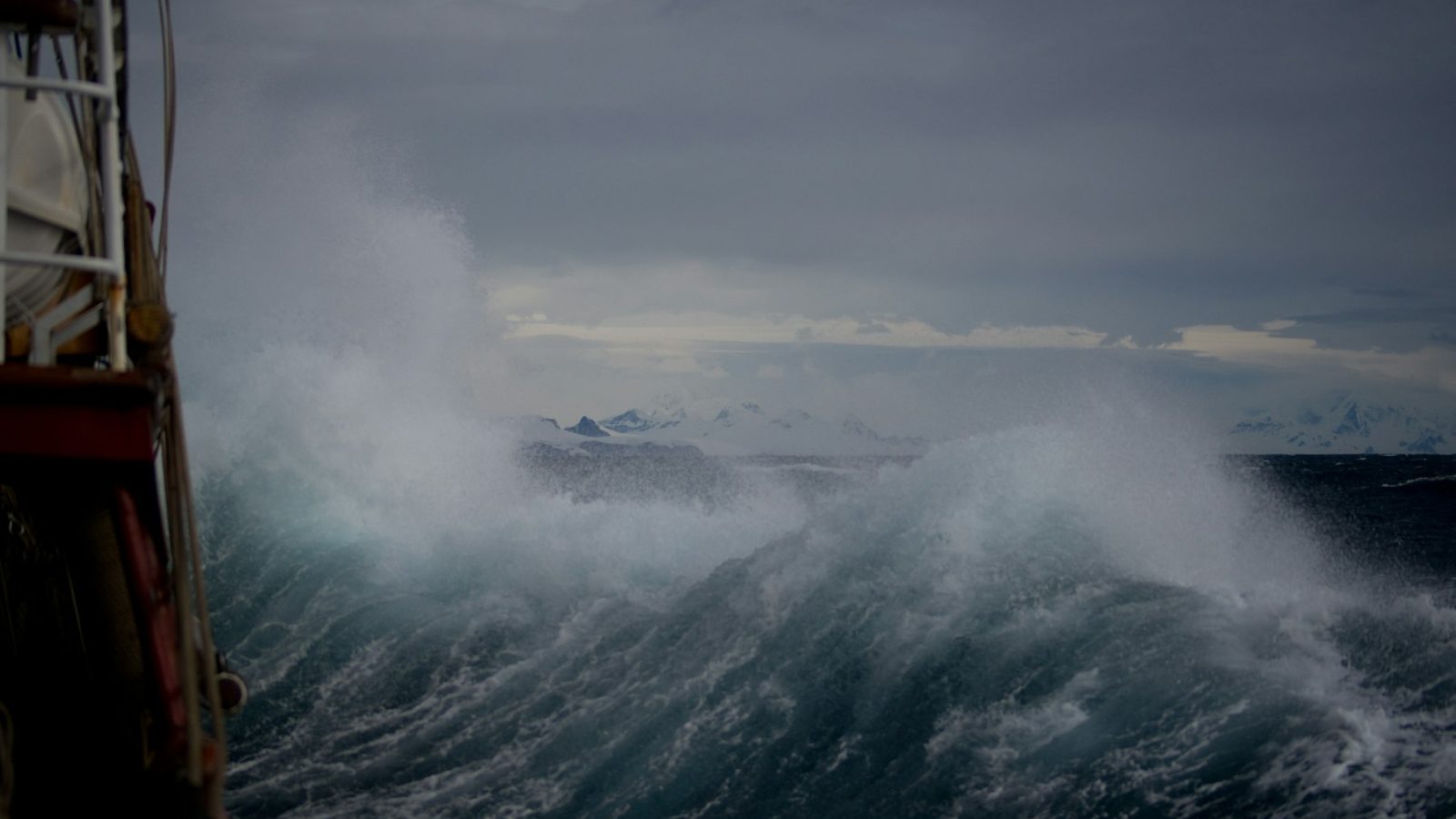
According to Parks Canada, November through March is the most dramatic storm season on this coast. It’s also the wettest time of year: November averages around 490 mm of precipitation in Tofino, based on Environment Canada climate normals.
Where to watch storms safely
Parks Canada’s designated viewing areas
- Kwisitis Visitor Centre observation deck at Wickaninnish Beach, a sheltered viewpoint above the beach. Check winter hours.
- From Kwisitis south to the totem pole at Lismer Beach, when conditions allow.
- Florencia Bay lookout.
A Parks Canada pass is required to park in the national park reserve.
Other options
Many visitors watch from oceanfront accommodation near Chesterman Beach or Cox Bay, which avoids going near the water at all. Down the coast in Ucluelet, the Wild Pacific Trail offers clifftop views, but the Wild Pacific Trail Society notes it closes in extreme winds.
Storm safety
Waves and logs can kill
Parks Canada warns of high tides, large waves, storm surges and rolling logs. A single wave can lift and roll a drift log weighing tonnes. There are no lifeguards on Tofino-area beaches.
- Stay off beaches and drift logs during high tide or big swell.
- Check the park’s wave hazard sign, a tide table and the swell forecast before going onto the shore.
- Never turn your back on the ocean.
- Keep children and dogs close, and follow dog rules.
- Obey temporary closures and check park bulletins for wave hazard advisories.
How to check the forecast
- Marine forecast: Environment Canada’s West Coast Vancouver Island marine forecasts for wind and waves.
- Buoy observations: live wave heights from offshore buoys such as La Perouse Bank on ECCC’s buoy observations page.
- Tides: big swell at high tide is the most dangerous combination.
- Roads: check DriveBC for Highway 4 conditions before driving in a storm.
What to bring
- Fully waterproof jacket and pants
- Waterproof boots with grip
- Warm hat and gloves
- Headlamp: winter days are short
- A dry bag or cover for your camera or phone
Make a storm-watching trip of it
Pair stormy days with the Rainforest Trails, galleries and long lunches. See things to do in Tofino, the best time to visit and where to stay.
Sources checked November 2026: Parks Canada, Environment and Climate Change Canada, Wild Pacific Trail Society.
Travel rules, prices and product details change. Check official government, airline and manufacturer sources before you book or buy.