Quick answer
For a first trip, plan 7–10 days covering Tokyo and Kyoto, with day trips to Nara or Osaka. Spring (late March to early April) and autumn (October to November) have the most comfortable weather but the biggest crowds. Use a rechargeable IC card for local trains and buses, and compare individual Shinkansen tickets against a Japan Rail Pass before buying one.
- Best time
- Spring and autumn
- First trip length
- 7–10 days
- Currency
- Japanese yen (JPY)
- Plugs
- Type A and B, 100V
- Getting around
- Trains, IC cards, Shinkansen
- Tipping
- Not customary
Check entry rules officially
Visa requirements depend on your nationality. Check Japan’s Ministry of Foreign Affairs website and your own government’s travel advice before booking. Many visitors complete immigration and customs details in advance through Japan’s official Visit Japan Web service.
When to visit Japan
| Season | What to expect | Good for |
|---|---|---|
| Spring (Mar–May) | Mild weather; cherry blossoms typically late March to early April in Tokyo and Kyoto, varying by year and region. Very busy. | Blossoms, gardens, city sightseeing |
| Summer (Jun–Aug) | Rainy season in June and early July across much of the country, then hot and humid. Festival season. | Festivals, Hokkaido, mountains |
| Autumn (Sep–Nov) | Typhoon risk in early autumn, then clear, comfortable weather and autumn colors, often peaking in November in Kyoto. | Foliage, hiking, food |
| Winter (Dec–Feb) | Cold, often clear and dry in Tokyo; snow in the north and mountains. Fewer crowds outside holidays. | Skiing, hot springs, city trips |
Busy holiday periods to plan around: Golden Week (late April to early May), Obon (mid-August) and New Year, when domestic travel peaks and prices rise.
How long to stay
- 5–7 days: Tokyo plus Kyoto, with one day trip.
- 10 days: Tokyo, Hakone or Nikko, Kyoto, Nara and Osaka at a relaxed pace.
- 14 days: add Hiroshima and Miyajima, Kanazawa, or the Japanese Alps (Takayama).
Where to stay
Tokyo
- Shinjuku or Shibuya: major transport hubs with endless food and nightlife.
- Tokyo Station or Ginza: convenient for the Shinkansen and quieter at night.
- Asakusa or Ueno: more traditional atmosphere, often better value.
Kyoto
- Near Kyoto Station: easiest for arrivals and day trips.
- Downtown (around Shijo and Kawaramachi): walkable to restaurants and Gion.
Consider a night in a ryokan (traditional inn) for the experience, often with dinner and breakfast included. Book well ahead for spring and autumn.
Getting around
IC cards for local travel
Rechargeable IC cards (such as Suica, PASMO or ICOCA) work on most city trains, subways and buses and in many convenience stores. On compatible phones you can add a mobile version to your wallet app.
Shinkansen and the Japan Rail Pass
The Shinkansen (bullet train) connects Tokyo, Kyoto, Osaka and Hiroshima quickly. The Japan Rail Pass covers most JR trains for a fixed period, but its price rose significantly in 2023, so it’s now often cheaper to buy individual tickets for a simple Tokyo–Kyoto–Osaka trip. Price your actual journeys before buying a pass.
Traveling with big luggage
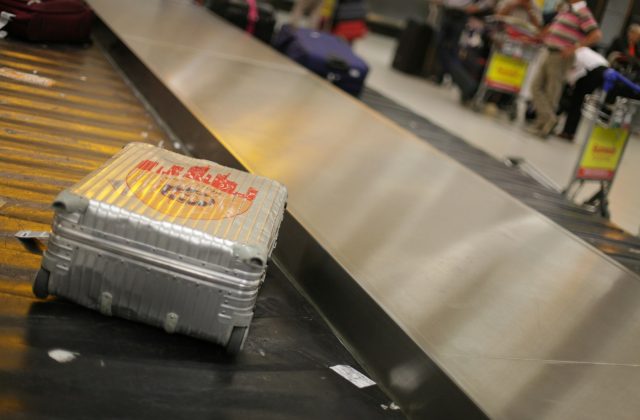
On the Tokaido, Sanyo and Kyushu Shinkansen, bags with total dimensions over 160 cm need a seat with an oversized-baggage area reserved in advance. Many travelers use Japan’s luggage forwarding services (available at hotels, convenience stores and airports) to send suitcases ahead and travel with a small bag. Or pack light: see how to pack a carry-on.
A sample 7-day itinerary
- Day 1, Tokyo: arrive, settle in, evening walk around Shinjuku or Shibuya.
- Day 2, Tokyo: Asakusa and Senso-ji in the morning, Ueno, then Akihabara or Ginza.
- Day 3, Tokyo: Meiji Jingu and Harajuku, then a neighborhood of your choice. Optional day trip to Hakone or Nikko instead.
- Day 4, to Kyoto: Shinkansen in the morning; afternoon in Higashiyama and Gion.
- Day 5, Kyoto: early start at Fushimi Inari to beat crowds, then Arashiyama.
- Day 6, Nara day trip: Todai-ji and Nara Park, back to Kyoto or on to Osaka for the evening.
- Day 7, Osaka: street food in Dotonbori, then fly home from Kansai or return to Tokyo.
Want to adjust it? Our itinerary generator builds a day-by-day framework, and the budget calculator helps estimate costs.
Money and payments
- Cards are widely accepted in cities, but smaller restaurants, temples and rural areas may be cash-only. Carry some yen.
- ATMs in convenience stores commonly accept foreign cards.
- Tipping isn’t customary and can cause confusion.
Etiquette worth knowing
- Keep phone calls off and voices low on trains.
- Remove shoes where you see a step up or shoe racks: homes, ryokan, some temples and restaurants.
- Public bins are scarce; carry a small bag for trash.
- Queue in marked lines on train platforms and stand on the indicated side of escalators (it differs between Tokyo and Osaka).
- At hot springs (onsen), wash before entering the bath. Some still restrict visible tattoos, so check in advance.
What to pack for Japan
- Comfortable shoes that slip on and off easily
- Socks in good condition (you’ll take your shoes off often)
- A small towel or handkerchief: many restrooms have no paper towels
- Coin purse for yen coins
- Plug adapter if your devices don’t use two flat pins (Type A)
- Power bank for long sightseeing days (carry-on only on flights)
- Layers and a compact umbrella, depending on season
Build a full list in the packing list generator, and see our guide to travel adapters.
FAQ
Is Japan expensive to visit?
Accommodation in Tokyo and Kyoto can be expensive in peak seasons, but food can be very affordable: convenience stores, set lunches and casual restaurants offer good value.
Do I need to speak Japanese?
No. Major stations and attractions have English signage, and translation apps help with menus. Learning a few basic phrases is appreciated.
Is the Japan Rail Pass worth it?
Sometimes. For a simple Tokyo–Kyoto–Osaka route it often isn’t since the 2023 price increase. For longer routes with several long-distance trips, it can be. Compare before you buy.
Travel rules, prices and product details change. Check official government, airline and manufacturer sources before you book or buy.