Quick answer
For the driest, warmest weather, visit Tofino in July or August, but expect crowds and higher prices. For gray whales, go in spring (the Pacific Rim Whale Festival is in March). For dramatic storm watching and quieter, cheaper stays, go between November and March, when Tofino gets most of its roughly 3,270 mm of annual rain.
Tofino weather by month
These are Environment and Climate Change Canada climate normals for the Tofino Airport station (Tofino A, 1981–2010), the most recent official normals for this station.
| Month | Avg high (°C) | Avg low (°C) | Precipitation (mm) |
|---|---|---|---|
| January | 8.3 | 2.3 | 487 |
| February | 9.0 | 1.9 | 336 |
| March | 10.1 | 2.7 | 330 |
| April | 11.9 | 4.0 | 270 |
| May | 14.5 | 6.5 | 153 |
| June | 16.8 | 8.9 | 130 |
| July | 18.9 | 10.5 | 71 |
| August | 19.1 | 10.8 | 88 |
| September | 17.8 | 9.0 | 133 |
| October | 13.6 | 6.3 | 342 |
| November | 10.0 | 3.6 | 492 |
| December | 8.1 | 1.9 | 440 |
Source: ECCC Canadian Climate Normals, Tofino A (Climate ID 1038205). Annual precipitation about 3,271 mm.
Tofino’s climate is mild year-round: summers rarely get hot and winters rarely freeze for long. The big difference between seasons is rain. July is the driest month, while November and January are the wettest.
Summer (June to September)
The warmest, driest and busiest time. It’s best for beaches, hiking, boat tours and first-time surfers. Book accommodation, ferries and tours well in advance, and expect parking lots at popular beaches to fill early. September often keeps good weather with fewer families.
Fall (October to November)
Rain picks up sharply in October. It’s a quieter shoulder season with lower prices and the start of storm season. The Tofino Oyster Fest takes place in late November (November 27–29 in 2026).
Winter (December to February)
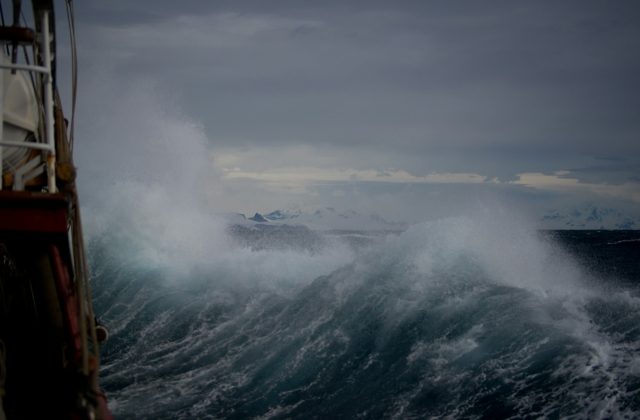
Storm season peaks, with big Pacific swells. Parks Canada calls November through March the most dramatic storm season. It’s the quietest time to visit and good for cozy getaways, though some businesses reduce hours. Winter tires or chains are required on Highway 4 in winter.
Spring (March to May)
Gray whales migrate north past the coast, and the Pacific Rim Whale Festival celebrates them each March (March 14–21 in 2026). Rain eases through April and May, and crowds stay moderate until summer. In 2026, the Rip Curl Nationals Canada surf championship was held at Cox Bay in May.
Best time by activity
| Activity | Best time |
|---|---|
| Beaches and hiking in drier weather | July to September |
| Gray whale watching | Spring, especially March and April |
| Storm watching | November to March |
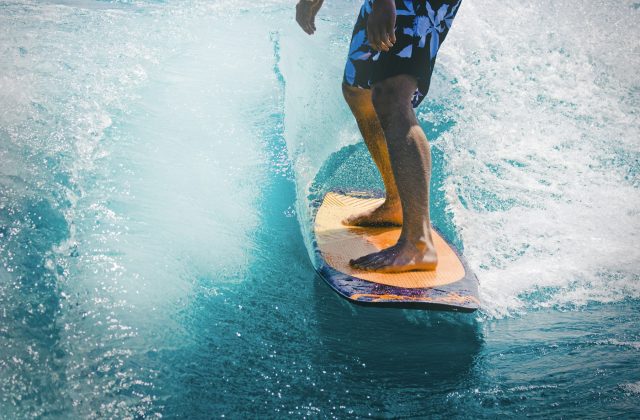
| Learning to surf | Summer for gentler conditions; lessons run year-round |
| Lowest prices and fewest crowds | Late fall and winter, outside holidays |
What to pack in any season
- Waterproof jacket and quick-drying layers
- Shoes with grip for wet trails and boardwalks
- Warm layers: summer evenings by the ocean are cool
- Headlamp for short winter days
Plan your visit with the best things to do in Tofino, our storm watching guide and how to get there.
Sources checked November 2026: Environment and Climate Change Canada, Parks Canada, District of Tofino, Surf Canada, Tofino Oyster Fest. Event dates change each year.
Travel rules, prices and product details change. Check official government, airline and manufacturer sources before you book or buy.