Quick answer
Plan in this order: set your budget and dates, choose a destination that fits both, check passport and entry rules, book transport, book accommodation around your route, sketch a loose day-by-day itinerary, arrange insurance and money, then pack from a checklist. Booking the hardest-to-change things first (flights and documents) saves the most stress.
Key takeaways
- Decide your total budget and travel dates before falling for a destination.
- Check passport validity and entry requirements on official government sites before you pay for anything.
- Book long-haul transport first, then accommodation that fits your route.
- Plan one or two anchor activities per day, not six.
- Use a checklist for documents and packing so nothing depends on memory.
Most trip-planning stress comes from doing things in the wrong order: booking a hotel before you know how you’ll get there, or finding out about a visa requirement two weeks before departure. This guide gives you a dependable sequence that works for a weekend away or a month abroad. Use the free tools linked along the way to keep everything in one place.
1. Set your budget and travel window
Start with two numbers: how much you can spend in total, and when you can realistically go. Everything else follows from these. A useful way to split a budget is into five buckets: transport to and from the destination, accommodation, food, local transport and activities, plus a buffer of around 10 to 15 percent for things you didn’t plan for.
If you’re unsure what a destination costs, build a rough estimate in our travel budget calculator before you commit. It’s much easier to adjust trip length or accommodation style at this stage than after you’ve booked.
2. Choose a destination that fits
With a budget and dates in hand, shortlist two or three places and compare them on the things that actually affect your trip:
- Season: weather, daylight hours, peak-season crowds and prices during your dates.
- Travel time: a long journey eats into a short trip. As a rough rule, keep travel time under a fifth of the total trip.
- Daily costs: accommodation and food prices vary enormously between cities, even within one country.
- Entry requirements: some destinations need visas or electronic travel authorizations arranged weeks in advance.
Not sure which kind of trip suits you? Our trip match quiz helps narrow it down.
3. Check passports, visas and entry rules
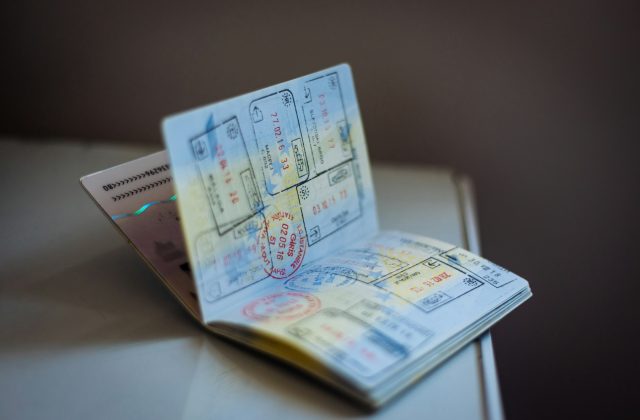
Do this before paying for anything non-refundable. Many countries require your passport to be valid for a minimum period beyond your travel dates (commonly three or six months) and to have blank pages for stamps. Entry rules change, so check them on the destination government’s official website or your own government’s travel advice pages, not on forums or old blog posts.
Don’t skip this
Passport renewals and some visas can take weeks. If your passport is close to expiring, renew it first and plan the rest of the trip once the new one arrives.
Our international travel checklist covers every document to check, and the travel document checklist tool lets you tick them off as you go.
4. Book your main transport
Flights, long-distance trains or ferries are usually the least flexible and most price-sensitive part of a trip, so book them early. A few habits help:
- Compare nearby airports and check the cost of getting from each one into the city.
- Read the fare rules: what’s included for carry-on and checked bags, seat selection and changes.
- Avoid tight connections on separate tickets. If one flight is late, the second airline has no obligation to rebook you.
- Note arrival times. A late-night arrival may mean a pricier taxi and an extra night of accommodation.
Once you know your baggage allowance, you also know how much you can pack. If your fare only includes a carry-on, read how to pack a carry-on without overpacking.
5. Book accommodation around your route
Pick where to stay based on what you’ll actually do each day. Staying near good public transport often matters more than being in the absolute center. For multi-stop trips, fewer moves usually means a more relaxed trip: two or three nights minimum per base is a good rule.
Before booking, check the cancellation policy, the total price including taxes and fees, check-in times (especially for late arrivals) and the exact location on a map.
6. Sketch a realistic itinerary
An itinerary should be a framework, not a minute-by-minute schedule. For each day, choose one or two anchor activities (a museum, a hike, a day trip), then leave room for meals, wandering and rest. Group sights by neighborhood to avoid crossing the city repeatedly.
- List must-dos and check opening days, hours and whether tickets need booking ahead.
- Group by area so each day has a geographic focus.
- Add travel time between places, then add a little more.
- Keep a flexible half-day for weather, tiredness or a place you want to revisit.
Our free itinerary generator creates a day-by-day framework you can adjust, and the trip map planner helps you see how stops fit together.
7. Sort out insurance, money and phone access
- Travel insurance: read what’s actually covered for medical care, cancellation and lost luggage, and check any exclusions for activities you plan to do.
- Money: tell your bank you’re traveling if it requires notice, check foreign transaction fees, and carry a backup card kept separately from your main one.
- Phone: decide between your carrier’s roaming plan, a local SIM or an eSIM before you land, so you have maps and messages on arrival.
8. Book timed tickets and reservations
Popular attractions, some restaurants and certain trains sell out or require timed entry. Book these once your itinerary is stable. Save confirmations offline (a screenshot or PDF) in case you don’t have signal.
9. Pack from a checklist
Packing from memory is how chargers and medication get left behind. Start from a list, adjust it for climate and activities, and lay everything out before it goes in the bag. Our packing list generator builds a list around your trip length, climate and plans, and our packing hub has lists for specific trip types.
10. Final checks the week before
- Check in online and confirm baggage allowances.
- Re-confirm accommodation and transfers.
- Check the weather forecast and adjust your packing.
- Download offline maps, tickets and confirmations.
- Share your itinerary with someone at home.
- Charge power banks and pack adapters for the destination.
A simple planning timeline
| When | What to do |
|---|---|
| 2–6 months out | Budget, dates, destination, passport and visa checks, main transport |
| 1–3 months out | Accommodation, insurance, rough itinerary |
| 2–4 weeks out | Timed tickets, money and phone plan, packing list |
| Final week | Check-in, confirmations, offline copies, pack |
For international trips or peak-season travel, shift the early steps further forward. For a weekend trip, you can compress the whole process into a few evenings. The order still applies. If you’d like to see where plans usually go wrong, read our guide to common travel planning mistakes.
Travel rules, prices and product details change. Check official government, airline and manufacturer sources before you book or buy.