Quick answer
For most first-time visitors, late June to early September is the best time: warm weather, open trails and full services, though July and August are the busiest. Visit from mid-September to mid-October for fall colours in Ontario and Quebec, mid-November to April for skiing, and late August to April for the northern lights in the Yukon.
Best time by trip type
| Trip type | Best time | Notes |
|---|---|---|
| Hiking, national parks, road trips | Late June to early September | July and August are peak season; book early |
| Fall colours (Ontario, Quebec) | Mid-September to mid-October | Peaks vary by area and year |
| Skiing (Banff area) | Mid-November to spring | Some resorts open into May, depending on snow |
| Northern lights (Yukon) | Mid-August to mid-April | Best viewing late at night, away from city lights |
| Fewer crowds, lower prices | May, late September, early October | Some seasonal services may be closed |
| Coastal storm watching (BC) | November to March | See our Tofino guide |
Summer (June to September)
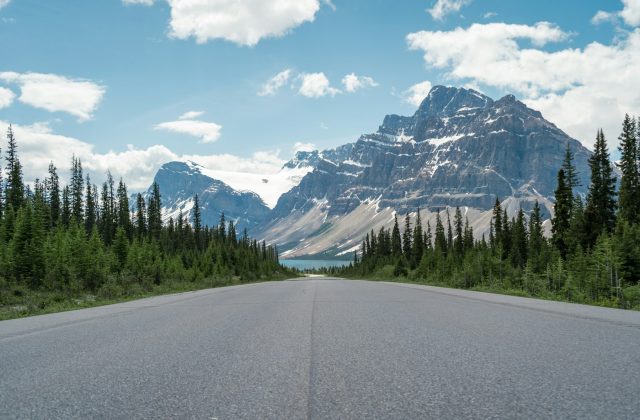
Summer is Canada’s warmest and busiest season, with July and August the peak months per Destination Canada. It’s the easiest time for national parks, hiking, lakes and road trips. Campsites in popular parks such as Banff and Jasper fill quickly, so watch for Parks Canada reservation launch dates. Check for wildfire smoke and closures in western Canada in summer.
Fall (September to November)
Fall brings cooler weather and spectacular colours in the east. In Ontario, colours usually peak from mid-September to mid-October; Algonquin Park’s maples peak on average around late September, according to Ontario Parks. In Quebec, late September to early October is typically best, with peaks varying by region (Bonjour Québec). By November, many seasonal attractions close.
Winter (December to March)
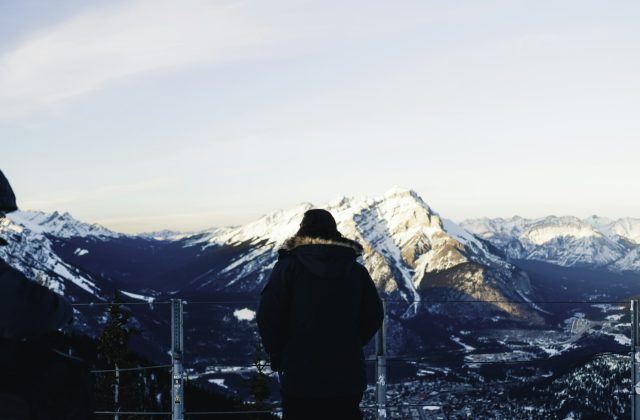
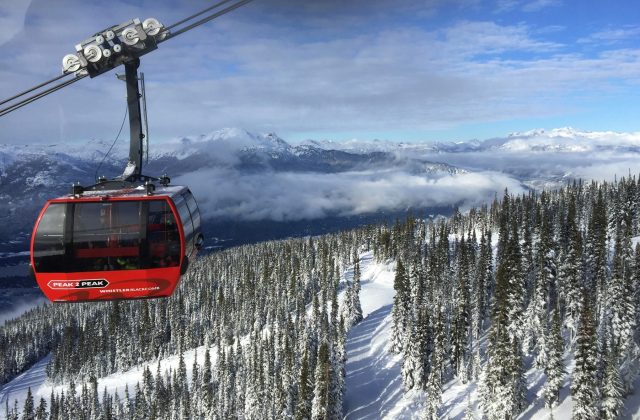
Most of Canada has snow from about December to March, while Vancouver and Victoria get more rain than snow. It’s the season for skiing, winter festivals and the northern lights. Around Banff, the ski season typically starts in mid-November, with some resorts operating into May depending on conditions. Travel Yukon gives the aurora season as mid-August to mid-April, with the best viewing roughly between 10 pm and 3 am.
Driving in winter requires preparation: BC and Quebec have winter tire rules. See our Canada travel tips.
Spring (April to June)
Spring is a shoulder season with fewer crowds and lower prices, but weather is changeable and some mountain trails stay snowbound into early summer. Spring skiing continues at higher resorts, and on the BC coast it’s gray whale migration season.
By region
- BC coast (Vancouver, Victoria, Tofino): mild and wet winters, drier summers. Summer for beaches and hiking; winter for storm watching.
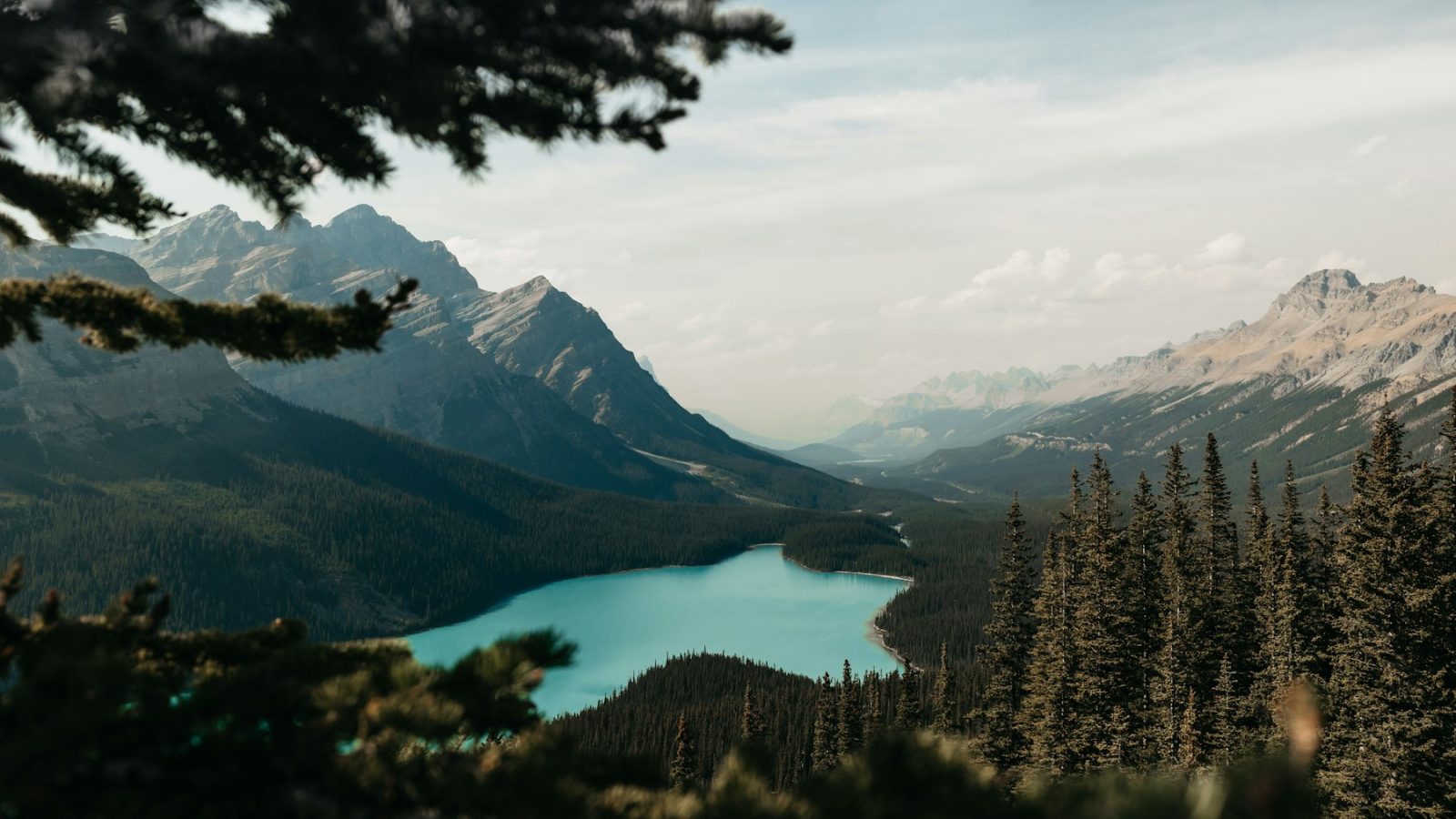
- Rockies (Banff, Jasper): summer for hiking and lakes; winter for skiing.
- Prairies: warm summers and cold winters; summer is best for most visitors.
- Ontario and Quebec: summer for cities and lakes; fall for colours; winter for festivals and skiing.
- Atlantic Canada: summer and early fall are the main seasons.
- The North (Yukon, NWT, Nunavut): summer for long days and wildlife; late summer to spring for the aurora.
For typical temperatures in a specific place, check Environment Canada climate normals.
Holidays and peak periods to plan around
- Victoria Day: the Monday before May 25, the unofficial start of summer travel.
- Canada Day: July 1.
- Civic Holiday: the first Monday in August in most provinces.
- Labour Day: the first Monday in September.
- Thanksgiving: the second Monday in October.
- Christmas and New Year: busy for ski resorts and family travel.
Long weekends mean busier parks, ferries and highways, and higher prices.
FAQ
What is the cheapest time to visit Canada?
Generally the shoulder seasons (spring and late fall), outside school holidays and long weekends, when demand is lower.
When can you see the northern lights in Canada?
In the Yukon, from mid-August to mid-April, with darker skies giving better chances.
More planning: how to plan a trip step by step and the international travel checklist.
Sources checked November 2026: Destination Canada, Parks Canada, Ontario Parks, Bonjour Québec, Travel Yukon, Government of Canada.
Travel rules, prices and product details change. Check official government, airline and manufacturer sources before you book or buy.